Enhancing Your Pet's Beauty: Pet Grooming Tips
- magalie9225
- Aug 3
- 5 min read
Taking care of our pets is a joy that goes beyond feeding and playing. Grooming is a wonderful way to show love and care, helping our furry friends look and feel their best. When we focus on grooming, we not only enhance their beauty but also support their health and happiness. I’m excited to share some practical pet grooming tips that are easy to follow and make a big difference. Whether you have a fluffy dog, a sleek cat, or any other beloved companion, these tips will help you create a grooming routine that suits both of you.
Why Pet Grooming Tips Matter
Grooming is more than just keeping your pet clean. It’s about maintaining their skin, coat, nails, and overall well-being. Regular grooming helps prevent problems like matting, skin infections, and discomfort. It also gives you a chance to check for any unusual signs that might need a vet’s attention. When you groom your pet, you build trust and strengthen your bond. Plus, a well-groomed pet feels comfortable and confident, which shows in their behavior.
Here are some reasons why grooming is essential:
Health monitoring: Spotting lumps, bumps, or parasites early.
Comfort: Removing mats and tangles that can pull on the skin.
Hygiene: Keeping ears, teeth, and nails clean to avoid infections.
Appearance: Maintaining a shiny coat and neat nails.
Bonding: Spending quality time together in a calm, loving way.
By following simple pet grooming tips, you can make grooming a positive experience for both you and your pet.

Essential Pet Grooming Tips for Every Owner
Starting a grooming routine can feel overwhelming, but it doesn’t have to be complicated. Here are some essential tips that will help you get started and keep your pet looking their best:
1. Choose the Right Tools
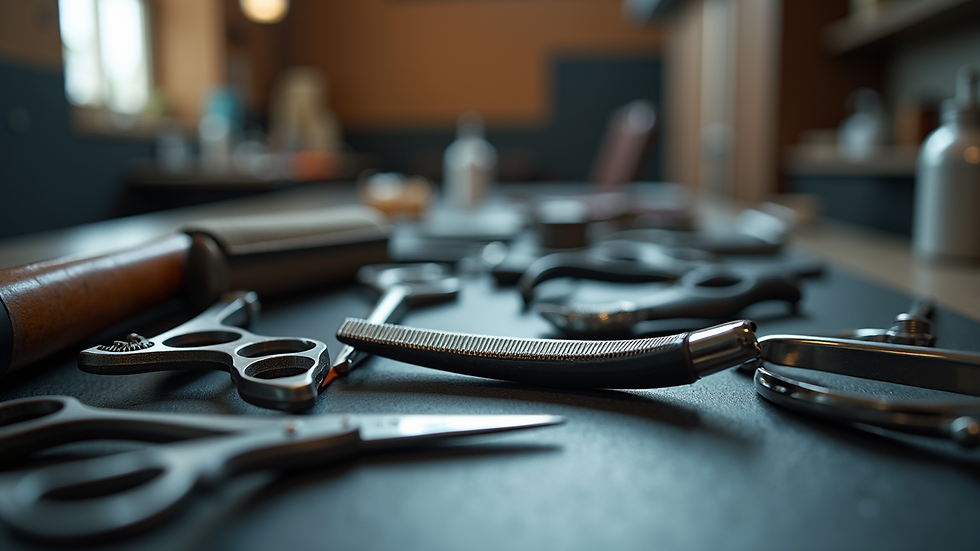
Having the right grooming tools makes all the difference. Depending on your pet’s coat type, you might need:
A slicker brush for long or curly hair.
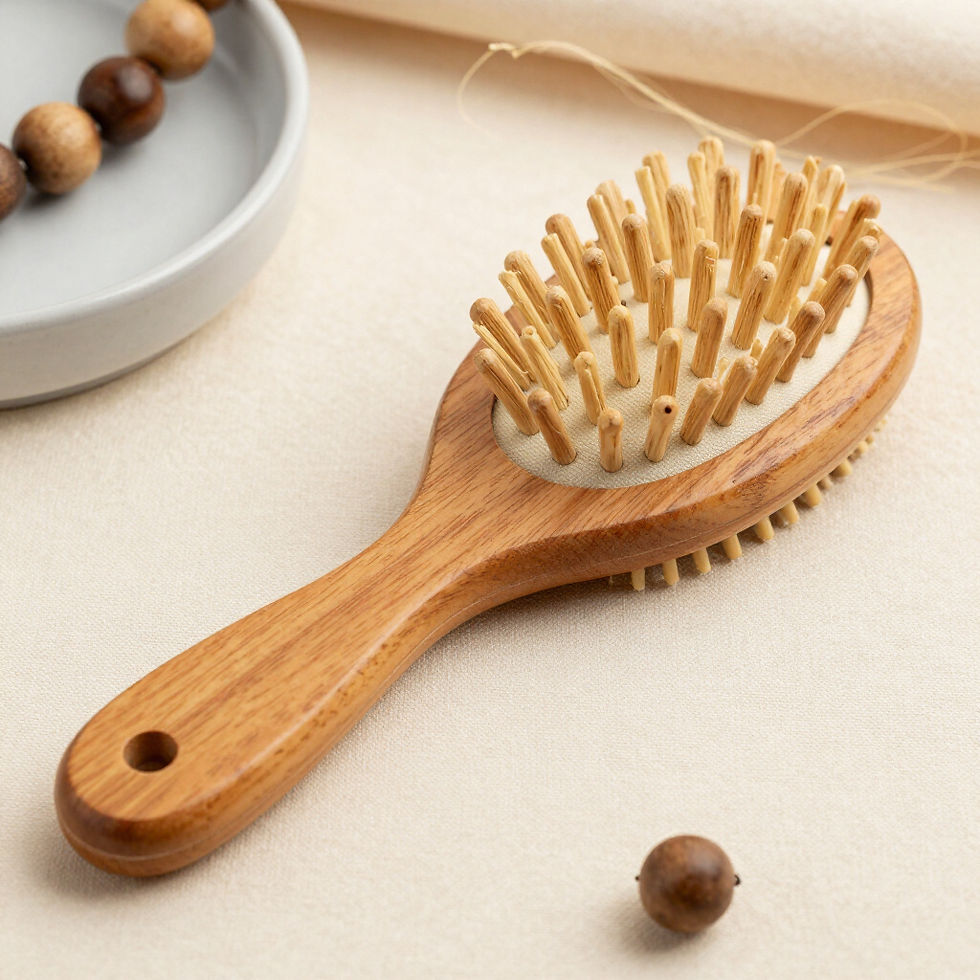
A bristle brush for short coats.
A comb for detangling.
Nail clippers or a grinder.
Pet-friendly shampoo and conditioner.
Ear cleaning solution and cotton balls.
Investing in quality tools ensures grooming is effective and comfortable.
2. Create a Calm Environment
Pets respond well to calm, gentle handling. Choose a quiet space with good lighting. Speak softly and offer treats to make grooming a positive experience. If your pet is nervous, start with short sessions and gradually increase the time.
3. Regular Brushing
Brushing your pet’s coat regularly removes dirt, loose hair, and prevents mats. For dogs and cats with longer hair, daily brushing is ideal. Short-haired pets benefit from brushing a few times a week. Brushing also distributes natural oils, keeping the coat shiny and healthy.
4. Bathing with Care
Bathing frequency depends on your pet’s lifestyle and coat type. Use lukewarm water and a gentle, pet-safe shampoo. Avoid over-bathing, which can dry out the skin. After the bath, dry your pet thoroughly with a towel or a low-heat dryer.
5. Nail Care
Long nails can cause discomfort and affect your pet’s walking. Trim nails carefully, avoiding the quick (the sensitive part inside the nail). If you’re unsure, ask a professional groomer or vet for guidance.
6. Ear and Teeth Cleaning
Check your pet’s ears weekly for dirt or signs of infection. Use a vet-approved ear cleaner and cotton balls to gently clean the outer ear. Dental care is equally important. Brush your pet’s teeth regularly with pet-safe toothpaste or provide dental chews to maintain oral health.
By following these pet grooming tips, you’ll help your pet stay comfortable, healthy, and beautiful.
Grooming Tips for Different Types of Pets
Every pet is unique, and their grooming needs vary. Here’s a quick guide to help you tailor your grooming routine:
Dogs
Short-haired breeds: Brush 1-2 times a week. Bathe monthly or as needed.
Long-haired breeds: Brush daily to prevent tangles. Bathe every 4-6 weeks.
Double-coated breeds: Use a de-shedding tool during shedding seasons.
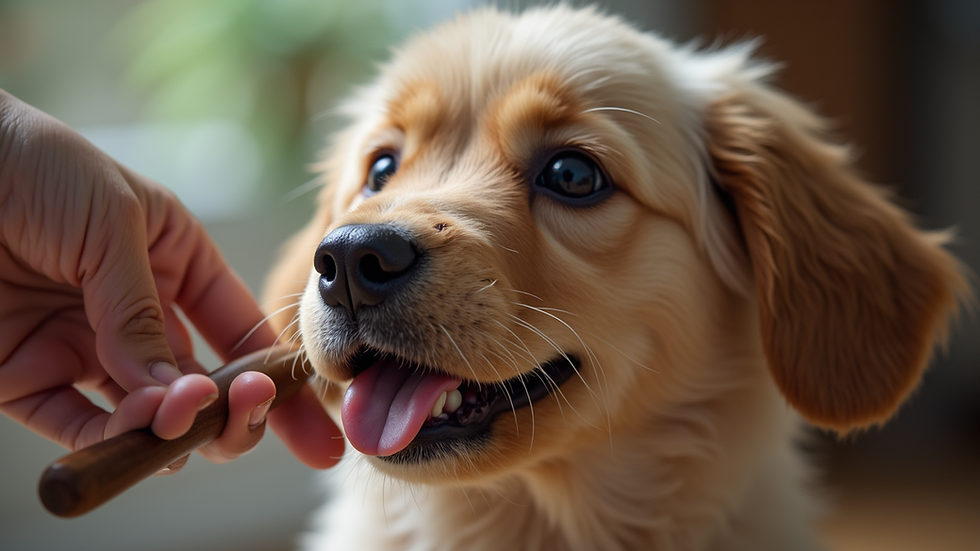
Puppies: Start grooming early to get them used to the process.
Cats
Most cats groom themselves, but brushing helps reduce hairballs and shedding.
Long-haired cats need daily brushing.
Short-haired cats benefit from weekly brushing.
Use a soft brush to avoid irritating their skin.
Small Pets (Rabbits, Guinea Pigs)
Brush regularly to remove loose fur.
Check nails monthly and trim as needed.
Keep their living area clean to prevent skin issues.
Exotic Pets
Research specific grooming needs for reptiles, birds, or other exotic pets.
Consult a vet or specialist for advice.
Adjusting your grooming routine to your pet’s specific needs ensures they stay comfortable and look their best.
Creating a Grooming Schedule That Works
Consistency is key to successful grooming. Creating a schedule helps you stay on track and makes grooming a regular part of your routine. Here’s how to build one:
Assess your pet’s needs: Consider coat type, activity level, and health.
Set realistic goals: Start with brushing a few times a week and bathing once a month.
Include all grooming tasks: Brushing, bathing, nail trimming, ear cleaning, and dental care.
Use reminders: Set calendar alerts or notes to keep up with grooming.
Be flexible: Adjust the schedule as your pet’s needs change.
A consistent grooming schedule helps prevent problems and keeps your pet looking fresh and healthy.
Tips for Making Grooming Enjoyable for You and Your Pet
Grooming should be a bonding experience, not a chore. Here are some ways to make it enjoyable:
Use positive reinforcement: Offer treats, praise, and affection.
Keep sessions short: Break grooming into manageable steps.
Stay patient: If your pet resists, take breaks and try again later.
Make it fun: Play calming music or use scented grooming products.
Learn together: Watch tutorials or read articles from a trusted pet and beauty shop blog to improve your skills.
When grooming feels good for both of you, it becomes a cherished routine.
Nourishing Your Pet’s Beauty from the Inside Out
Grooming is important, but beauty also comes from good nutrition and overall wellness. Feeding your pet a balanced diet rich in essential nutrients supports healthy skin and a shiny coat. Omega-3 fatty acids, vitamins, and minerals play a big role in their appearance.
Consider supplements or special foods recommended by your vet to enhance coat health. Regular exercise and hydration also contribute to your pet’s vitality and glow.
By combining grooming with proper nutrition and care, you create a holistic approach to your pet’s beauty and well-being.
Embracing the Joy of Pet Grooming
Taking time to groom your pet is a wonderful way to nurture your relationship and celebrate their unique beauty. With these pet grooming tips, you can create a routine that fits your lifestyle and keeps your pet happy and healthy. Remember, every pet deserves to feel loved and cared for, and grooming is a beautiful expression of that love.
If you want to explore more ideas and products to support your pet’s care, check out this pet and beauty shop blog for inspiration and quality selections. Together, we can make grooming a joyful part of your pet’s life.
Happy grooming!



Comments